During a visit to the Normandia settlement in Pernambuco, the presidential candidate spoke exclusively about some crucial points of the electoral race
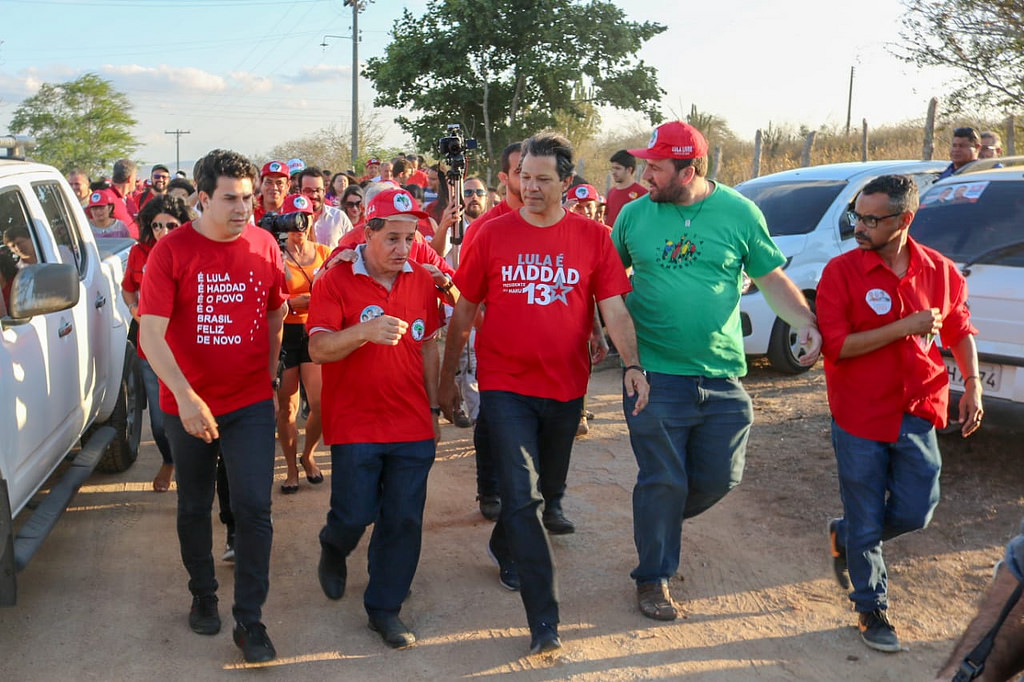
Last Saturday (September 22), the candidate for the Presidency of the Republic Fernando Haddad (PT) was in the Normandia Settlement, in Caruaru (PE).
Haddad followed the production process that takes place in the settlement and currently reaches 16 municipalities in Pernambuco.
The Normandia Settlement, which in 2018 is 25 years old, has a training center, cooperative, residents' association, agribusiness, multisite school and an active structure of organization that welcomes not only the settlers but also the residents of the surrounding area.
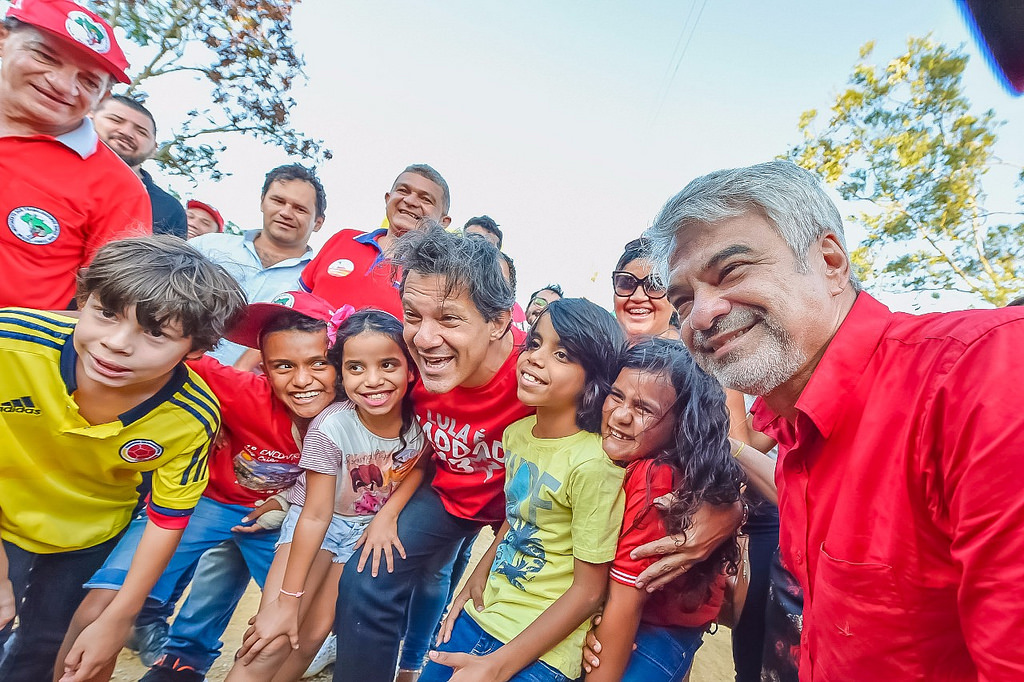
During the walk, Haddad spoke exclusively about some crucial points of the race. Follow:
What is the context of your candidacy for the 2018 elections?
We insisted until the last minute on the candidacy of the one we wanted to take back to the Planalto Palace, which is President Lula. We had success with the United Nations for Lula to be a candidate and the Brazilian authorities decided to reject an international treaty approved by our Congress and rejected the registration [as a candidate].
In the face of these circumstances we have launched a plate. Manuela D'Ávila (PCdoB) and I are going to run for the presidency because we have the same project validated by President Lula, which is the project that represents the great majority of the Brazilian people. And, in order not to leave the people with no alternative, we have reinstated this project in the presidential race because what really matters is the ideas that move us and Lula is with us on this journey.
The governments of Lula and Dilma were very important for Latin American integration, in a possible victory, what are their prerogatives of the government with the countries of South America?
I am convinced that we will have to radicalize the integration. It is no longer time for unilateral measures, we will have to call our partners at the table. If we do not have the strength to negotiate, we are swallowed up by three titans: the United States, the European Union and China. Brazil is a strong country, but we alone do not have the strength to face international competition. Therefore, Argentina, Uruguay, Paraguay and all other Latin American countries will need to enter this process.
We are in an MST settlement that shows the transformative power of People’s Agrarian Reform. Given this, what are your government policies for the countryside?
We will overtax the unproductive properties. It is unacceptable for a country of this size to have landless people and with so many plantations that produce nothing. We will create the progressive rural tax on time, the longer an area becomes unproductive, the more tax will have to pay.
Who does not reforest also will pay progressive tax, because we want zero deforestation. What we need and will do in Brazil is to distribute land. Give function to the already deforested latifúndios and avoid new deforestation. So, we will achieve two goals, produce more food without the need to cut a single tree.