Seven Sins of Agribusiness
Whoever thinks of agribusiness and imagines large estates producing food for Brazil’s refrigerators is gravely mistaken. What the television doesn’t tell us is that agribusiness is a form of agricultural production in which food isn’t actually produced. It doesn’t tell us that agribusiness depends on large amounts of agritoxins, and that what is produced is, in the end, exported abroad – even if public resources are used. Even worse, most land is in the hands of foreign businesses and international banks. Check out below what the real consequences of agribusiness are.
The soils are poisoned
Thanks to agribusiness, Brazil has been the world’s largest consumer of agritoxins since 2009. According to official figures more than a billion litres of poison have been thrown onto crops. These agritoxins
 On Sunday morning August 31, more than three thousand landless families occupied the Santa Monica Fazenda, located between the municipalities of Alexânia, Abadiânia and Corumba (GO). The farm, registered in the name of Senator Eunício Oliveira (PMDB-EC), is a complex of more than 20,000 hectares, self-declared as unproductive.
 By Igor Carvalho and Glauco Faria
 The year 2013 won’t be missed by the Landless throughout the country. Regarding the struggle for land, the balance is positive, due to the demonstrations, marches and occupations of land and public buildings that occurred almost throughout the year.
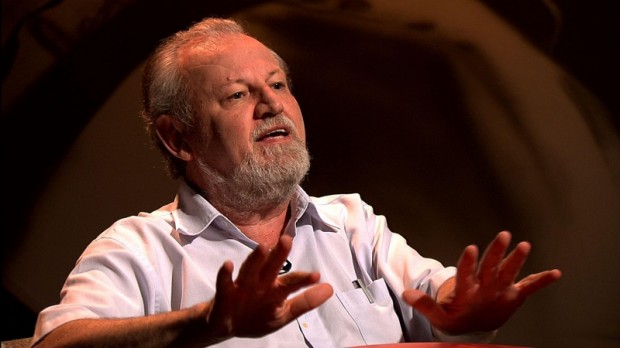 by Joao Pedro Stedile, National Coordination of the MST
 Last Tuesday morning (10/15), 5000 peasants, members of the MPA (The Small Farmers Movement), occupied Monsanto’s 36th Research Unit located at the Nilo Coelho irrigation district in Petrolina, in the northeast of Brazil.
 On Friday July 5, rural organizations and social movements met with President Dilma Rousseff in the Planalto Palace in Brasilia. They demanded more flexibility and less bureaucracy in carrying out policies in the countryside. “It is necessary and urgent for the government to get rid of bureaucracy.