São Paulo Military Police Evicts East Zone Families and Apprehends MTST leader, Guilherme Boulos; MST Repudiates the Violence Against the MTST
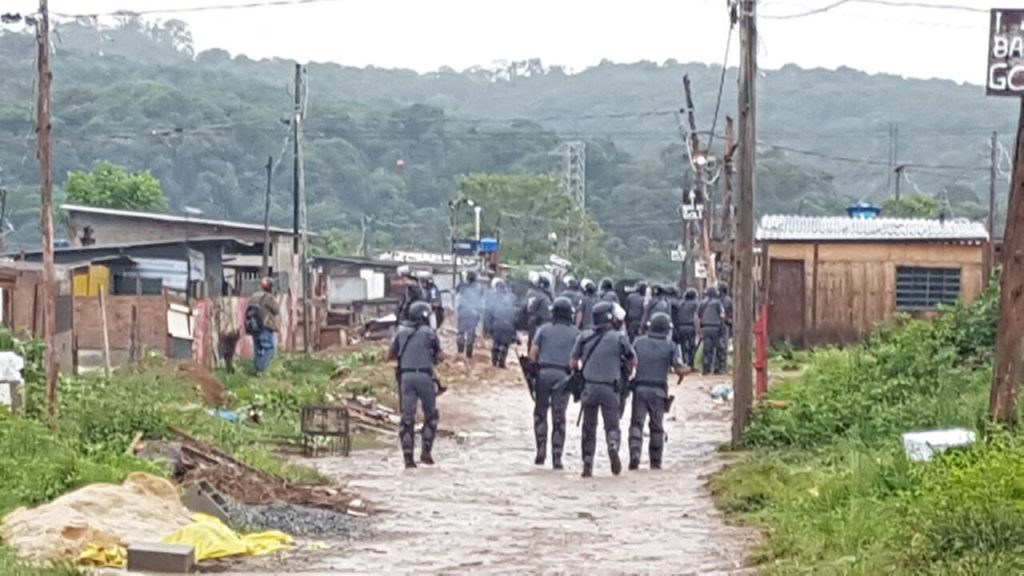
Earlier today (January 17, 2017), the São Paulo Military Police showed up at the San Mateo Colonial Occupation and evicted the area, in which 700 families lived.
The first operative of reintegration of positions, overseen by João Doria, had the characteristics of a military operation. Around 6 am, the Military Police showed up with infantry and trucks and advanced on the houses and families that had occupied the lands in the east zone of São Paulo.
 accusation is part of a strategy to criminalize social protest and popular movements. After weakening the Workers’ Party (PT) of Lula da Silva and Dilma Rousseff, who he overthrew, Temer now has it aim set on the MST. But we continue to struggle, because this is the only way to defeat the conservative forces and the coup”.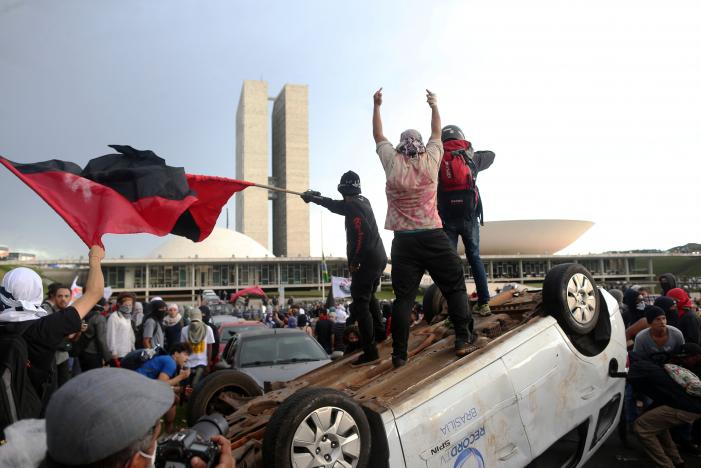
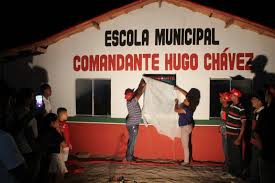
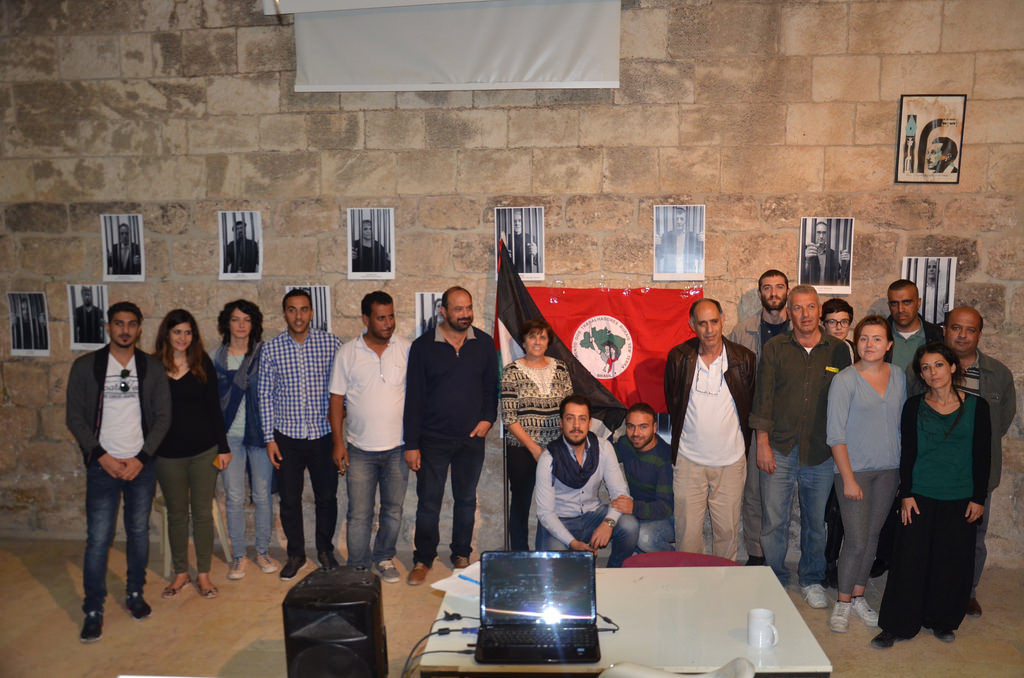 East gathered in an act of support and solidarity to the MST in Bethlehem, Palestine.
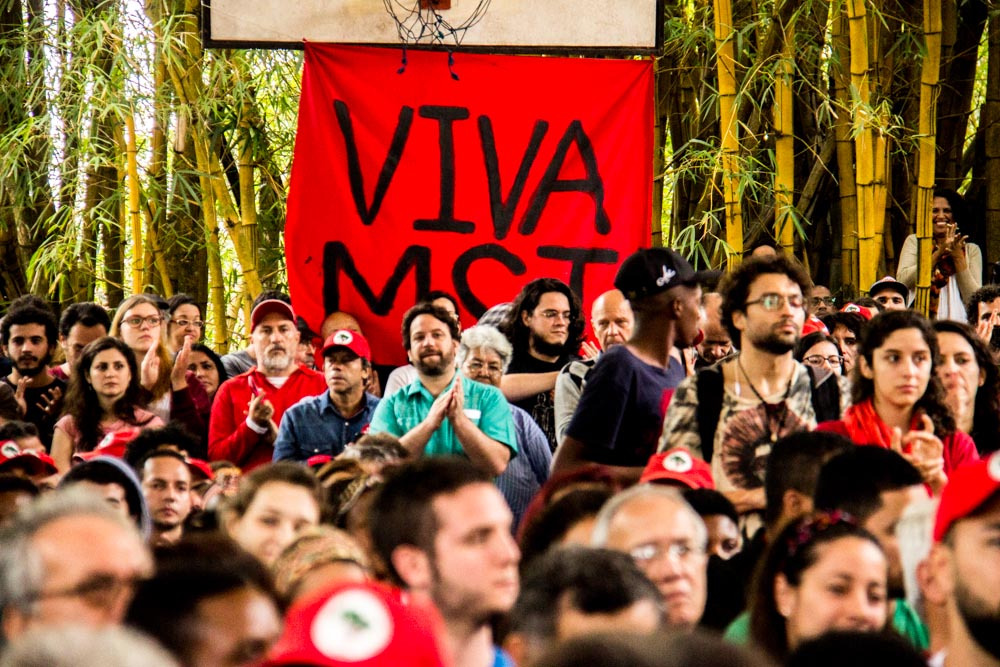 To denounce the criminalization of popular movements, around a thousand people gathered this Saturday, November 5, 2016 at the National School Florestan Fernandes (ENFF), in Guararema (SP), in solidarity with the Movement of Landless Rural Workers (MST). The act is a response to the truculent action of civilian police, who invaded the school, fired bullets at students and militants, and imprisoned two members of ENFF, on Friday, November 4, 2016.
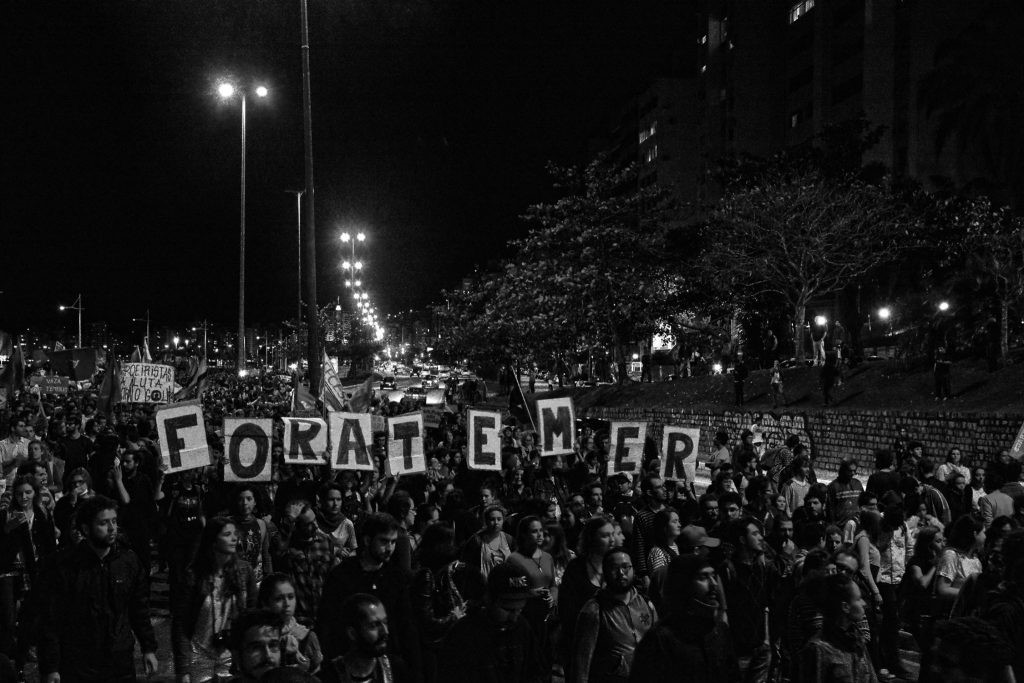 carried out the “Days of Unified Struggle of Rural Workers.” The days of struggle involved building occupations and blockade of roads — which started on Monday, Sept. 5, and ended on Thursday, Sept. 7.